

Customer Impact
Predictive No-Show Modeling: A Path to Improve Access and Outcomes
Opportunity
Boone Health recognized the opportunity to reduce patient no-shows. They saw how missed appointments disrupted provider schedules, delayed care delivery, and led to inefficiencies in clinic operations.
Results
By adopting predictive no-show modeling through MEDITECH's Revenue Cycle solution, the organization has achieved a significant reduction in no-show rates, improved patient access, optimized staff time, and enhanced clinic resource utilization.
Key Product
Expanse Revenue Cycle Management


93%
predictive accuracy


50%
decreased no-show rate
“By leveraging predictive no-show modeling, we embraced the opportunity to not only reduce missed appointments but fundamentally evolve how we manage access, scheduling, and patient engagement. For Boone Health, that's a win for our providers, our staff, and most importantly, our community.”
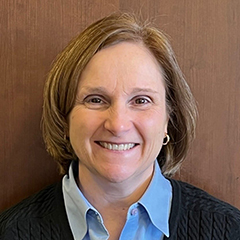
Brenda Sexson
Director of IS/IT
Boone Health

"In several of our clinics, especially smaller sites with limited exam rooms, the no-show risk score helps determine when it may be appropriate to double-book an appointment slot. When a patient’s no-show risk exceeds 70%–75%, teams use that insight to evaluate whether another patient can safely be added to the schedule. Rather than overbooking blindly, our teams make data-informed decisions that allow us to fill otherwise unused time, maintain productivity, and expand access without increasing provider burden."
Brenda Sexson
Director of IS/IT
Boone Health
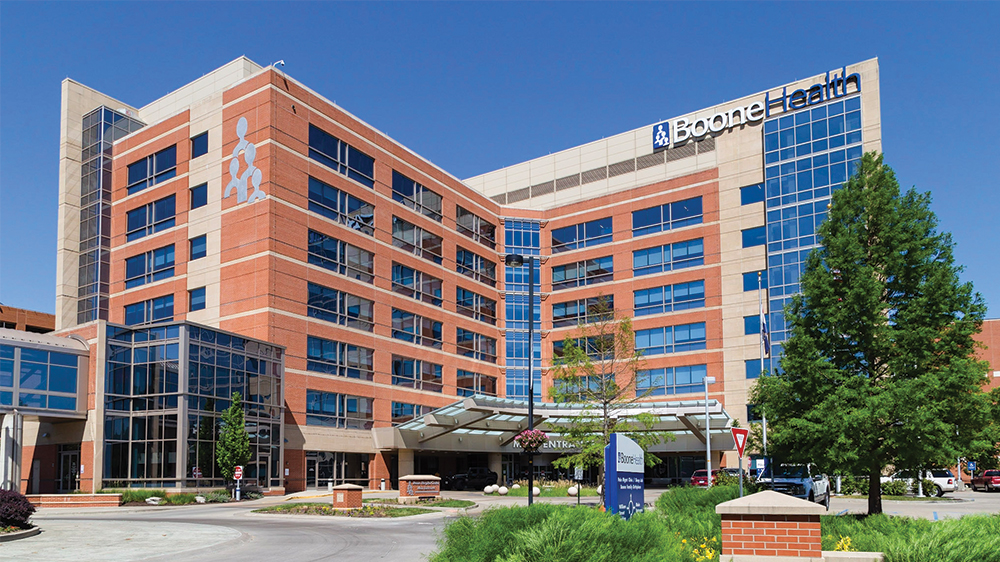
About Boone Health
Boone Health is a 392-bed full-service hospital located in Columbia, MO, providing progressive healthcare programs, services, and technology to people in 26 mid-Missouri counties. The hospital maintains a 24-hour emergency center and employs over 2,000 people on its staff, including 350 medical personnel. The organization is a Magnet Hospital for its nursing excellence and has also been named the number-one hospital in central Missouri and the number-five hospital overall in the state by U.S. News & World Report.
The Challenge
Boone Health was facing a challenge common to many healthcare organizations: high no-show rates. Traditional methods for addressing no-shows — such as manual reminder calls and broad outreach — were time-consuming and lacked the specificity needed to address the root causes of patients' missing appointments. These tactics also lacked the precision and scalability needed to address the complexities of modern healthcare scheduling and the demands of patient access. As a result, staff resources were stretched, and patient access to timely care was compromised.
The Solution
Boone Health sought a more precise, data-driven approach to improving patient attendance and scheduling efficiency. They elected to become an early adopter of predictive no-show modeling through MEDITECH’s Revenue Cycle solution. The AI-powered model is fully integrated into their day-to-day operations, with risk scores embedded directly into their scheduling workflows. This advanced functionality assigns no-show risk scores to individual appointments, enabling targeted interventions for high-risk patients. By leveraging predictive analytics, Boone Health empowered its scheduling teams to make informed decisions, prioritize outreach, and allocate resources more effectively.
The Results
Following the implementation of predictive no-show modeling, Boone Health realized measurable improvements across key performance indicators. The organization cut its no-show rate by more than half, from approximately 7% to 3%. The predictive model delivered 93% accuracy, supporting 3,100 daily and 96,000 monthly appointment risk predictions. These advancements translated into improved patient access, more reliable scheduling, and better use of clinic and staff resources. By maximizing provider capacity and capturing more billable services, Boone Health has lowered administrative costs and improved overall financial performance. Integrating predictive analytics into daily workflows has enabled the organization to proactively address high-risk cases, resulting in greater efficiency and improved care outcomes for the community. They've since scaled the predictive no-show functionality across additional scheduling areas, strengthening its foundational revenue cycle strategy.
Strengthen your revenue cycle and navigate the next era of healthcare with confidence.