







MEDITECH LIVE, our premier customer event, brought together nearly 500 attendees in Foxborough, Massachusetts, for two and a half days of learning, networking, and idea exchange. Customers representing 119 healthcare organizations shared experiences and explored solutions to some of healthcare’s most pressing challenges.
Speakers and panelists examined the evolving role of AI, the importance of interoperability, strategies for responsible innovation, and opportunities to optimize clinical workflows. A common theme emerged across the sessions: Meaningful progress in healthcare technology begins with understanding the people it serves.
Finding purpose and unlocking AI’s potential
Founder and Executive Director Justin Wren of Fight for the Forgotten inspired attendees to remember their “why” when he shared his personal journey of recovery and transformation. Wren has dedicated his life to bringing hope and clean water to impoverished villages in Africa.
“Remember why and who you are fighting for,” Wren said. “Every drop of water represents someone's story, someone's smile.”
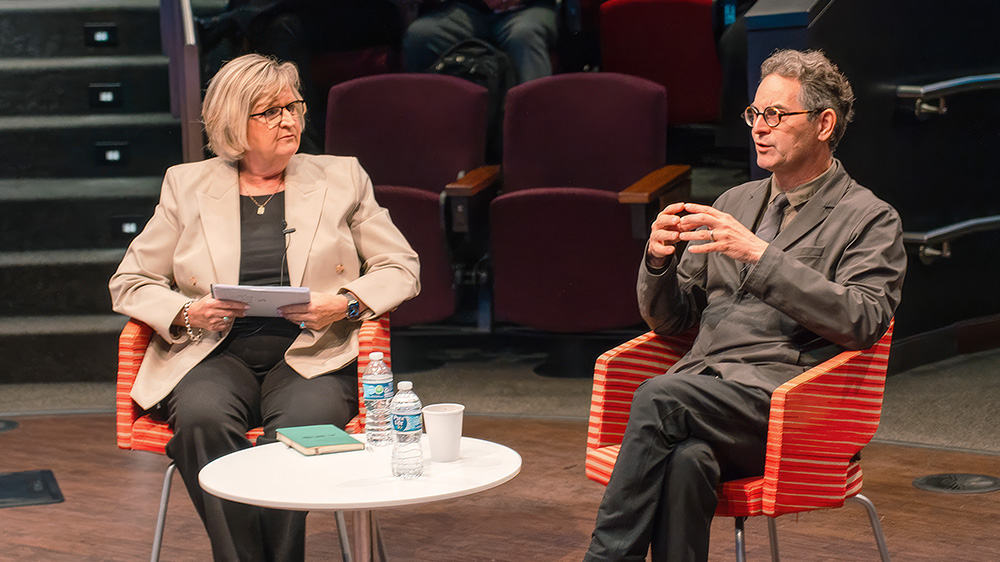
President John Halamka, MD, of the Mayo Clinical Platform, and Executive Vice President and COO Helen Waters of MEDITECH examined the evolution of data exchange and AI’s growing role in making healthcare information more meaningful and actionable. AI offers new opportunities to help clinicians make sense of increasingly complex information, supporting more informed decisions and helping recapture healthcare’s humanity.
“Data is no longer a commodity,” Halamka said. “We need data exchange fluidity for the benefit of the patient.”
Establishing AI governance, connecting care, and advancing interoperability
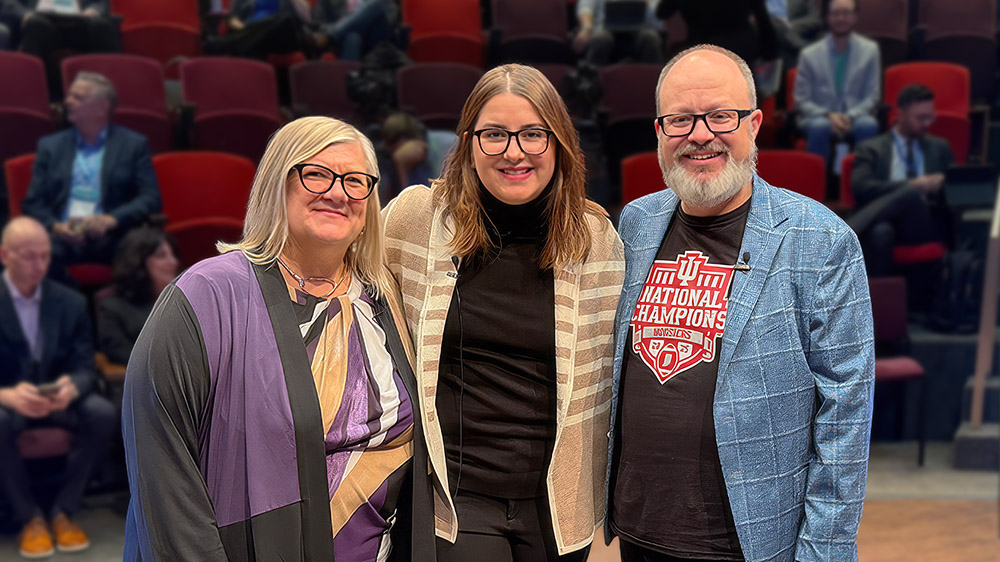
Chief of Clinical Innovation Darin Brannan, MD, MPH, FAAP, of Bethany Children's Health Center stressed the importance of incorporating best practices into organizational governance while respecting the unique culture of the organization and staff’s desire to innovate.
Managing Director John DiMaggio, MBA, QTE, of BlueOrange Compliance highlighted the importance of cybersecurity strategies, including vetting certified solutions and ensuring staff receive the appropriate training and tools.
Together, their perspectives reinforced the need for thoughtful AI oversight that enables responsible adoption and innovation while ensuring technology remains aligned with organizational priorities and patient safety.
Vice President Liz Lewis of b.well Connected Health joined CMIO Priscilla A. Frase, MD, of Ozarks Healthcare to discuss their participation with MEDITECH in CMS workgroups, which are designed to accelerate progress in data exchange while keeping patients’ needs at the center of the conversation. They also provide an important opportunity for patients and health systems, particularly rural and community hospitals, to help shape the future of connected care by bringing diverse perspectives to the table.
Dr. Frase and VP and CIO Craig Rice of Schneck Medical Center explored the real-life impact of Traverse Exchange and interoperability’s transformative potential to reshape data exchange and influence care. In one moving story, Dr. Frase noted her patient credited her ability to access and act on external data with saving his life. The session illustrated that connected data is not simply a technical achievement but a critical component of clinical decision-making.
Chief Patient Experience and Innovation Officer Anthony Polizzi of OHTP shared insights into his work incorporating an interoperability framework into the broader health technology ecosystem. He reinforced the importance of collaboration to make information more accessible and ensure technology supports a more connected patient experience.
Leadership, Advocacy, and Continuous Improvement
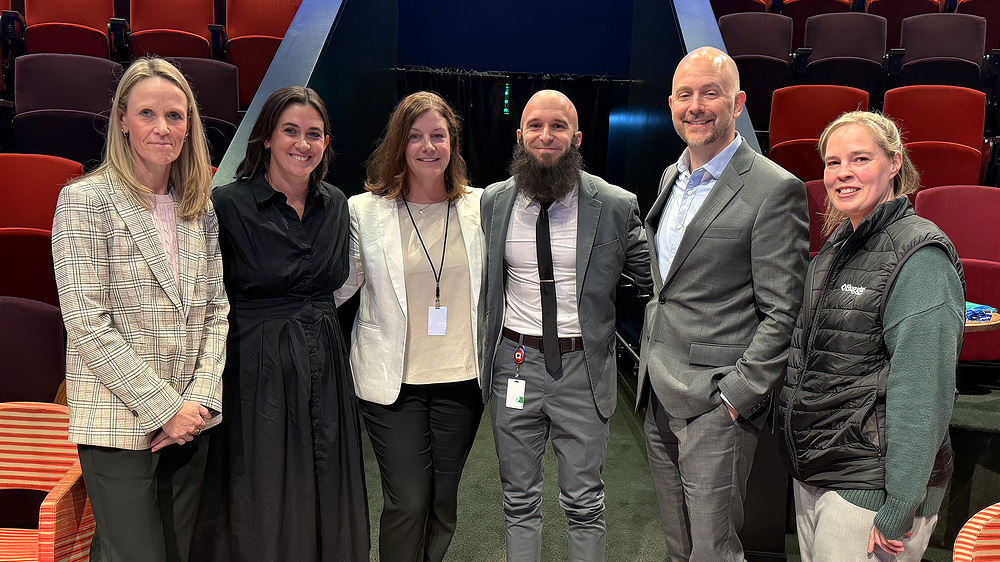
CLPP Lead Physician and Medical Consultant Reginald Reginella, DO, of MEDITECH led an interactive discussion on the multifaceted role of the chief medical information officer. Clinician leaders explored the challenge of advocating for clinicians while collaborating with executive leadership to achieve the best outcomes for the health system. Speakers encouraged meaningful engagement with stakeholders, thoughtful evaluation, and a clear understanding of organizational needs to determine the most effective path forward
Government and Policy Relations Senior Manager Allison Murphy of Huron shared practical strategies for navigating common Rural Health Transformation Program challenges.
“Protecting healthcare funding requires sustained, coordinated advocacy — it cannot be a once-a-year ask,” said Murphy. “We must engage year-round, lead with local data on community ROI, and present a unified message alongside our board and health association partners.”
Panelists representing three health systems focused on the importance of cultivating shared ownership to advance optimization and build a culture of continuous improvement.
- Informaticist and Performance Improvement Specialist Nathan D’Angona, RN, of Berkshire Medical Center recommended breaking down barriers between teams and using shared perspectives to build stronger connections. Optimization meetings should combine achievable, incremental improvements with time for deeper discussion of complex challenges.
- EMR Manager Amanda Reed of Huggins Hospital noted her organization empowers staff to submit optimization suggestions to the governance council, who evaluates them based on potential impact such as provider satisfaction, patient safety, and financial outcomes. Diverse stakeholders are involved in the review process to understand the downstream implications of proposed changes.
- Assistant VP and CIO Nadin Knippschild of Catawba Valley Medical Center stressed the importance of ensuring a unified message reaches staff throughout the organization and explained how communicating the “why” behind decisions helps build understanding and engagement. She highlighted the value of hearing messages from both leaders and peers to reinforce shared accountability and consistent communication for successful change management.
Together, the speakers illustrated that optimization is an ongoing, collaborative process that benefits from diverse perspectives, transparent decision-making, and a shared commitment to better outcomes.
Moving Healthcare Forward, Together
One message remained clear throughout MEDITECH LIVE: Advancing healthcare requires more than technology. It takes engaged clinicians, thoughtful leadership, trusted partnerships, and a shared commitment to putting patients first.
MEDITECH LIVE created space for meaningful conversations and practical insights that attendees can take back to their organizations — and put to work in support of better care. We’re already looking forward to next year’s event, so be sure to mark your calendars for September 21-23, 2027!